
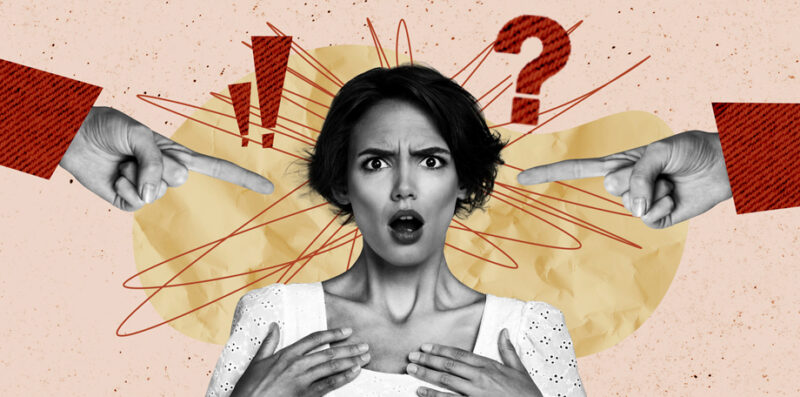
Most people notice their reactions only after something already went wrong. A tense conversation at work. A defensive reply in a relationship. A bad mood that lasts the entire evening because of one small comment. The reaction feels automatic, almost faster than thought.
Emotional growth usually starts in ordinary moments like these. Not through dramatic self analysis, but through noticing patterns that repeat. People often think personality is fixed, but many reactions are learned responses connected to stress, attention, routine, or old expectations.
Understanding your habits is less about judging yourself and more about seeing how your mind tries to protect comfort, avoid discomfort, or maintain control in everyday situations.
Why Reactions Often Feel Automatic

Most emotional reactions are not carefully chosen. They happen quickly because the brain relies on familiar behavioral shortcuts. Psychology research on habits and self regulation shows that repeated behaviors become increasingly automatic over time.
A person who grew up around criticism may become defensive during normal feedback. Someone ignored in relationships may overreact to delayed messages. Another person may shut down emotionally during conflict because silence once helped avoid arguments.
None of these responses appear randomly.
People usually repeat emotional patterns because the pattern worked at some point, even if it no longer helps now.
In many cases, emotional growth starts when someone pauses long enough to ask:
- What exactly triggered me here?
- Am I reacting to the current moment or an older expectation?
- Do I usually react this way with certain people or situations?
Those questions sound simple, but they change how people observe themselves.
The Difference Between Awareness And Overthinking
Some people become highly analytical about emotions but still remain stuck in the same habits. Awareness is useful. Constant self interrogation usually is not.
Research around self awareness and emotional regulation suggests that recognizing emotions clearly can improve behavioral control and decision making.
That does not mean tracking every thought all day.
A more realistic approach is paying attention to recurring situations. Certain environments, conversations, or insecurities often activate predictable reactions. Some people notice this through journaling. Others notice it after repeated arguments or stress patterns.
Interestingly, tools like personal astrology predictions sometimes attract people not because they expect magic answers, but because they want language for patterns they already sense in themselves. Most people are looking for reflection more than certainty.
They want to understand why they react strongly in some areas of life while staying calm in others.
That kind of curiosity can be useful when it stays grounded in observation instead of turning into identity labels.
A Useful Distinction
| Reaction Type | Usually Looks Like | Long Term Result |
| Awareness | Observing behavior calmly | Better decisions |
| Overthinking | Replaying emotions repeatedly | More stress |
| Reflection | Looking for patterns | Clearer habits |
| Self criticism | Attacking yourself emotionally | Shame and avoidance |
The difference matters because emotionally aware people are not emotionless. They simply recognize reactions earlier.
Habits Often Reveal Emotional Priorities

People usually talk about habits as productivity issues. In reality, habits often reveal emotional priorities more than discipline levels.
A person constantly checking their phone may not lack focus. They may struggle with discomfort, uncertainty, or boredom.
Someone who avoids difficult conversations may care deeply about approval. A person who stays overly busy may feel uncomfortable slowing down because quiet creates space for unresolved thoughts.
Repeated emotional avoidance often becomes behavioral routine before people notice it.
That is why replacing habits with strict rules rarely lasts long. If the emotional reason stays untouched, the behavior usually returns in another form.
A more practical approach is asking:
- What feeling am I trying to avoid here?
- What situation makes this habit stronger?
- When does this behavior become worse?
Those questions create awareness without turning everything into a crisis.
Emotional Reactions Usually Make Sense To The Person Having Them
One reason people misunderstand each other so often is because reactions rarely look logical from the outside. Internally, though, they usually make sense.
Someone who gets angry quickly may actually feel disrespected. Another person who withdraws emotionally may feel overwhelmed rather than cold. Research on emotional regulation shows that strong reactions often involve reduced rational processing during stress responses.
That does not excuse harmful behavior. It simply explains why reactions can feel disproportionate.
Did You Notice This Pattern?
People often react most strongly in situations connected to:
- rejection
- embarrassment
- control
- uncertainty
- feeling ignored
- fear of failure
The emotional trigger is not always obvious in the moment. Many reactions are tied to interpretation rather than facts.
For example, one person hears feedback and thinks, “They want me to improve.”
Another hears the same sentence and thinks, “They think I’m incompetent.”
The emotional outcome changes completely because the interpretation changed.
Small Changes Usually Matter More Than Dramatic Ones

People often expect emotional growth to feel obvious and dramatic. In reality, it usually appears quietly inside normal situations.
You answer more calmly during tension. You stop explaining yourself excessively. You notice irritation before snapping at someone. You recover faster after embarrassment. You stop chasing reassurance every time anxiety appears.
Those shifts may sound small, but they affect relationships, work, routines, and confidence far more than motivational breakthroughs.
Research on self regulation consistently connects emotional awareness with more flexible behavior and better long term decision making.
That flexibility matters because emotionally mature people are not calm all the time. They simply become less controlled by immediate reactions.
A More Practical Way To Think About Emotional Growth
Emotional growth is not about becoming endlessly positive or perfectly self controlled. Most people still get irritated, insecure, defensive, or anxious sometimes. The difference is that they recognize the pattern earlier and stop building their identity around every emotional reaction.
That awareness creates space between feeling something and acting on it immediately.
Over time, people become more careful about what drains them, who affects their mood, and which habits quietly shape their days. They stop expecting every emotion to disappear and start paying attention to what emotions are trying to signal.
That approach feels calmer because it is realistic. And realistic self awareness is usually more useful than constant self improvement pressure.